Where Peaks Meet Waves: Celebrations of Handcrafted Heritage
Seasons in Motion: Winter Peaks and Summer Shores
Highland wool, dyes, and looms
Carving the forest’s hush
People Behind the Stalls
Marta of the cliffside workshop
Lukas and the traveling forge
Tastes, Sounds, and Scents That Guide You
{{SECTION_SUBTITLE}}

Finding craft through flavor

Music as a breadcrumb trail
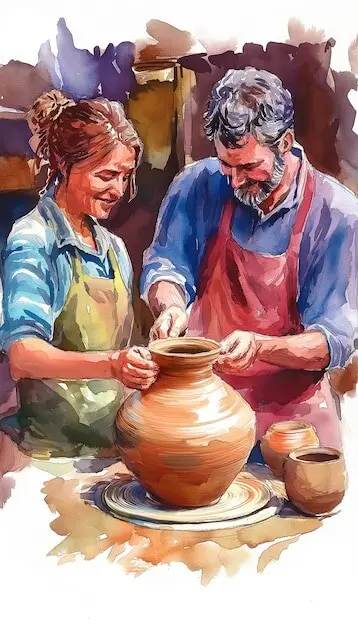
Beginner-friendly sessions to try
Start with projects that reward attention more than strength: a felted coaster from alpine wool, a simple chip-carved trivet, or a knot board featuring bowline, reef, and clove hitch. Expect thirty to ninety minutes, modest fees, and treasures travel-ready while still warm with effort. Teachers often share repair tips, turning souvenirs into durable companions. Ask about group sizes, translation, and accessibility in advance. Post a comment if you want recommendations for child-friendly classes that keep wonder front and center.
Respecting makers’ rights
Designs are livelihoods. Before filming entire processes, ask what may be shown; many artisans prefer close-ups of hands, not layouts revealing patterns. Always credit names when posting, link shops, and never copy motifs to sell elsewhere. Pay fairly without bargaining games, and celebrate uniqueness over uniformity. A friend once spotted stolen prints at a stall; a quick, calm alert helped organizers remove them and support the original artist. Your choices write the ethics of marketplaces one respectful moment at a time.
Sustainable souvenirs that matter
Choose goods that age gracefully: repairable wool caps, wooden spoons seasoned with local oil, rope doormats that shrug off storms, and saltcellars glazed to last. Confirm provenance, joinery, and care instructions, and consider cooperative labels that protect apprenticeships. If luggage is tight, ask about community shipping or maker-to-door options. Cash can simplify payments in small squares, though cards grow common. Leave a thoughtful review afterward; visibility helps workshops thrive between festivals, keeping skills alive when bunting and snow finally come down.
Planning Your Route: Calendars, Weather, and Low-Impact Travel
When to go and how to link places
Packing light for peaks and piers
Staying kind to places you love
All Rights Reserved.